

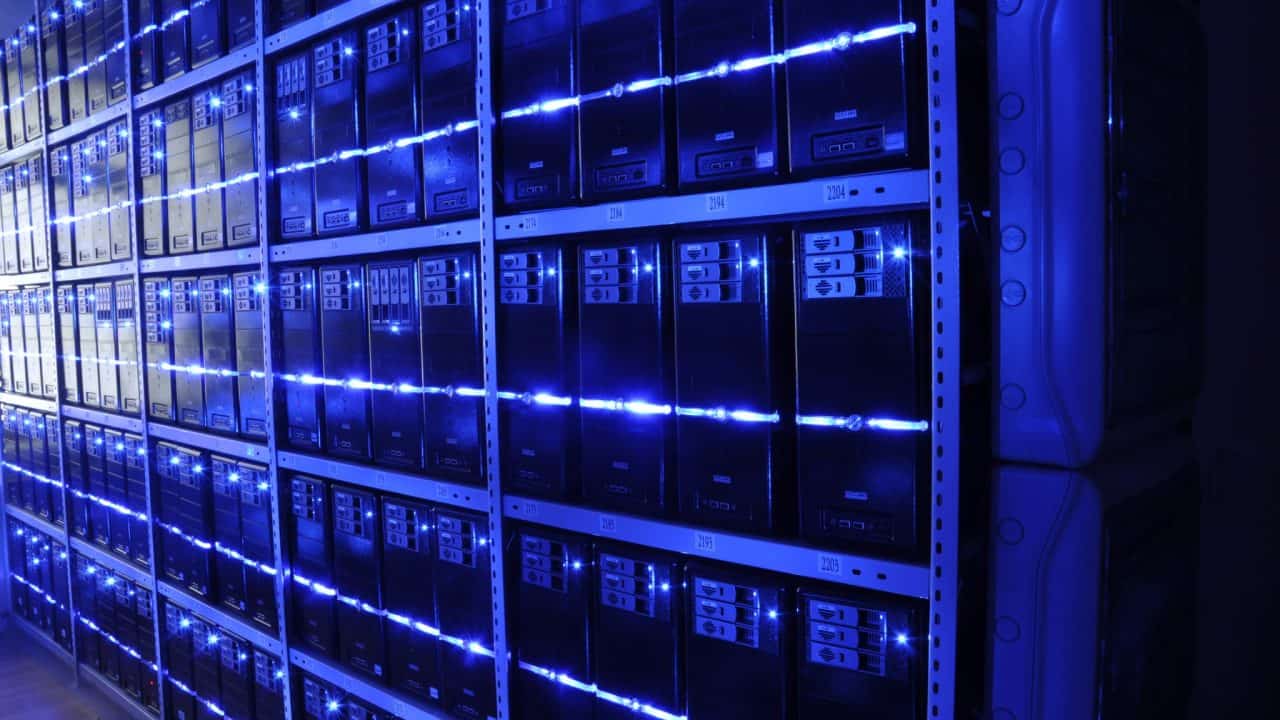
 Data Center by BalticServers.com is licensed under CC BY-SA 3.0
America’s electricity demand is growing rapidly, driven in part by the expansion of artificial intelligence (AI) and the compute needed to support it. Policymakers have responded by scrutinizing how much electricity data centers consume and whether the grid can accommodate their growth, but growing electricity demand can create incentives for the private sector to invest in both the generation and infrastructure needed to meet it.
Google’s new partnership with Constellation Energy demonstrates this potential. The agreement will bring 890 megawatts of additional reliable nuclear capacity to the PJM grid by 2032. Rather than simply contracting for electricity that would have otherwise served other customers, the agreement is designed to add new generation to the grid.
The investment will support modernization projects at 11 Constellation-owned nuclear units across six sites in Illinois, Pennsylvania, and New Jersey. By investing in new equipment and technology, the projects are expected to increase the efficiency of existing nuclear facilities and unlock additional firm power. The projects represent more than $4.3 billion in private investment and are expected to support at least 7,200 jobs.
This is an important distinction as policymakers debate how to accommodate growing electricity demand. Meeting that demand does not necessarily require taking electricity away from existing customers. Companies can instead invest in expanding the amount of power available on the grid.
The partnership also demonstrates how technology companies can contribute more than just capital. Google and Constellation are expanding their relationship through a five-year technology alliance involving Google Cloud and Gemini Enterprise to develop next-generation grid operations. The goal is to apply advanced technology to improve how the electricity system operates while simultaneously investing in additional generation.
These types of partnerships could become increasingly important as electricity demand continues to rise. As ATR has previously noted, uncertainty surrounding data center demand has contributed to utilities reconsidering or delaying investments in generation and transmission. When policymakers respond to rising demand by making new infrastructure more difficult to build, the result can be less electricity – not more.
The alternative is to allow rising demand to create incentives for investment. Large technology companies have a direct economic interest in securing reliable electricity. That gives them a reason to invest alongside utilities and energy companies in new generation, upgrades to existing facilities, and technologies that can make the grid more efficient.
The Google-Constellation agreement shows what that investment can look like. Instead of treating datacenters solely as a source of additional strain on the grid, policymakers should recognize that the companies building them can also help expand the grid’s capacity.
America needs significantly more electricity to support economic growth and technological innovation. Policymakers should therefore focus on removing barriers to new generation and encouraging private investment – not creating additional uncertainty for the companies and utilities capable of building it.
Rising electricity demand does not have to be a zero-sum game. With the right incentives, the companies driving that demand can also help build the generation and technology needed to meet it.