

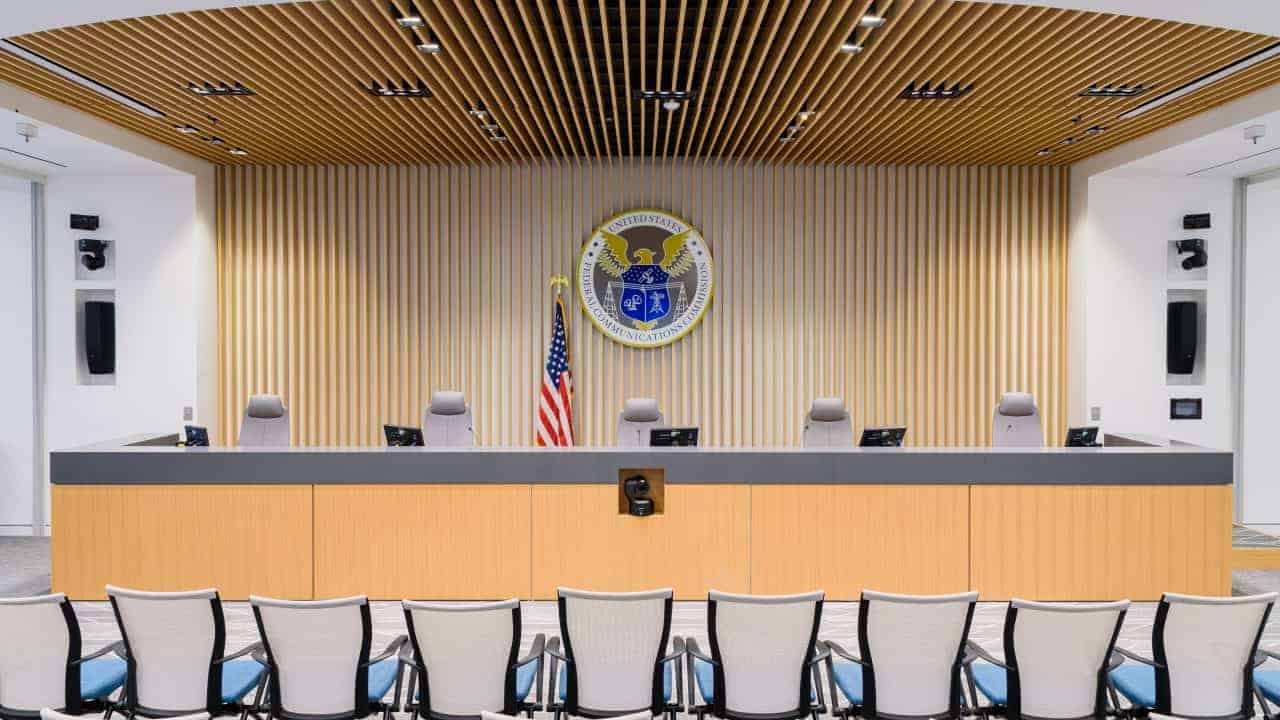
At its September 30th Open Meeting, the Federal Communications Commission adopted an order to overhaul its environmental reviews under the National Environmental Policy Act (NEPA). Americans for Tax Reform applauds Chairman Carr’s leadership in writing and adopting this order.
The new system reduces the number of FCC actions that are considered “major federal actions” under the statute, in part by excluding all actions relating to outer space. This is a giant leap for space policy and a significant improvement for the telecommunications sector.
Grover Norquist, President of Americans for Tax Reform, welcomed the rule change as a preventative measure against future onerous regulation:
NEPA reviews are the easiest way for the government to make sure nothing gets built. Keeping them out of space, where there is no air or water to pollute, makes sense and will help the space economy take off.
In the 90s, President Clinton and a Republican Congress decided to leave the internet alone and untaxed. While heavy industry was strangled by regulation, the digital economy exploded. With this rule, the FCC is treating space the way we treated the internet: as a growth opportunity, not a regulatory opportunity.
NEPA has long been one of the easiest ways for bureaucrats to impede growth and development with lengthy environmental reviews and for environmentalist NGOs to tie up projects in court. The average NEPA review has grown to 600 pages and takes over four and half years to complete. In the fast-moving telecommunications and space sectors, this is far too long. Exempting all FCC approvals for satellite launches from the review process will ensure timely buildout of space-based communications.
In addition to improving space policy, the order will curtail the number of reviews for building wireless infrastructure, including cell towers. According to the order, the new regime will eliminate NEPA reviews for more than 14,800 wireless deployments annually. Further reforms to historic preservation rules are estimated to save more than $2.2 billion over the next decade and more than $7.5 billion in lost economic activity from long wait times. All of this is directly invested in communications infrastructure.
The deregulatory push follows similar efforts by the FCC under Chairman Carr, including the Delete, Delete, Delete proceeding that eliminated hundreds of outdated legacy rules and streamlined permitting for both copper retirement and undersea cables.
The full Report and Order can be found here.