

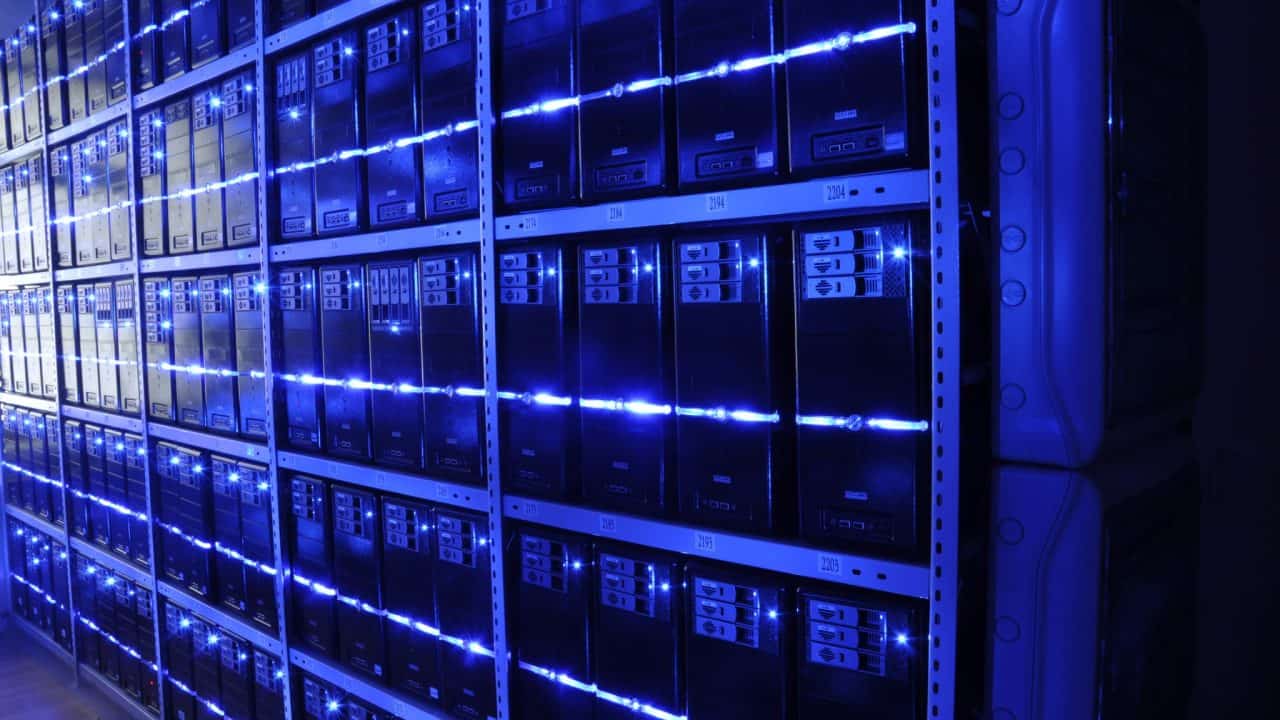
 Data Center by BalticServers.com is licensed under CC BY-SA 3.0
In a new piece for RealClearMarkets, ATR’s Director of Innovation Policy James Erwin makes the case that data centers are essential if we want to keep raising American living standards. He also argues that a lot of the opposition to them is based more on misconceptions than hard facts.
Erwin starts with a comparison to the textile mills of the 1800s. Those factories were noisy and tough places to work, but they helped make clothing affordable and kicked off the Industrial Revolution. Data centers, he says, are the modern version — the “information factories” that power the internet, cloud computing, and AI. The big difference is that today’s facilities are far cleaner and safer for both workers and the communities around them. One is very unlikely to lose a finger troubleshooting servers, he notes dryly.
He takes on the main objections that show up in a recent Gallup poll. Respondents most often pointed to effects on resources, higher electricity bills, pollution, and quality of life. On costs, Erwin points to evidence that large industrial customers like data centers actually help cover the fixed costs of the power grid. That can ease pressure on residential rates over time rather than raise them. Virginia, which has more data centers than any other state, saw electricity prices fall between 2019 and 2025. States with few or no data centers mostly saw prices rise during the same period.
Locally, the numbers in Loudoun County, Virginia are hard to ignore. Data centers generate close to half of the county’s $2.9 billion in yearly tax revenue. That money has helped fund public services and made a roughly 40 percent cut in homeowner property taxes possible over the last decade. Without the facilities, the average homeowner would be paying thousands more each year in taxes. Property values have stayed strong even as the facilities expanded.
Jobs are another clear upside. Demand for data center-related work has jumped since ChatGPT arrived. Studies show wage gains in counties that host them, and rural projects often bring higher pay and new training opportunities. Recent big investments, including from Meta, Amazon, and Google have created thousands of construction jobs and solid permanent positions in places like Texas, Alabama, Mississippi, and Washington. Even a relatively small number of long-term, well-paying jobs can make a real difference in smaller communities.
The bottom line is straightforward: “We need data centers to maintain and improve our standard of living. … Decline is a choice. We should choose to build instead.”
Read the full op-ed here.