

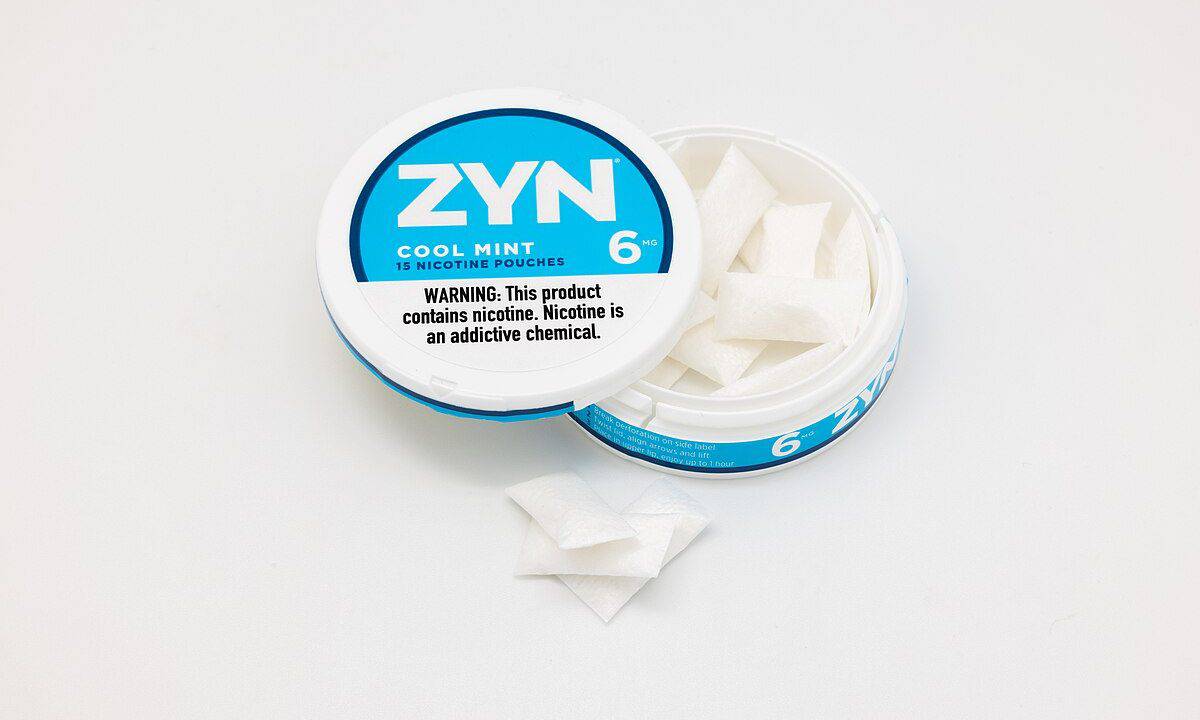
In a groundbreaking moment for harm reduction, public health, and consumer rights, the U.S. Food and Drug Administration (FDA)—criticized by public health experts for pushing failed prohibitionist policies over evidence-based harm reduction approaches—today finally accepted reality and has taken an important step forward in authorizing nicotine pouches as a critical step for the protection of public health.
By authorizing nicotine pouches as a reduced-risk tobacco product, the FDA has made a small but meaningful concession to the critical role of innovative technologies in helping smokers quit. This landmark decision represents a significant victory for Americans seeking safer alternatives to combustible cigarettes and a triumph for the broader harm reduction movement that champions practical, science-driven solutions to public health challenges over the failed prohibitionist policies of the past.
Nicotine pouches, like the newly FDA-authorized ZYN, eliminate the harmful combustion process central to traditional cigarettes, drastically reducing exposure to carcinogens and toxicants. This authorization is more than a win for smokers seeking alternatives—it underscores the power of harm reduction as a public health strategy.
For years, we at Americans for Tax Reform have joined public health experts and consumer advocates in emphasizing that reducing the harm caused by tobacco should prioritize empowering consumers with innovative, safer options. Products such as nicotine pouches, e-cigarettes, and heat-not-burn technologies demonstrate that meaningful progress in saving lives is achievable when the free market is allowed to foster advancements that meet the needs of consumers.
However, while today’s approval is a step in the right direction, much work remains to be done. The FDA must adopt a broader harm reduction framework that prioritizes science and public health over prohibitionist policies that have been proven to fail. Rulemaking from FDA like yesterday’s proposal to ban almost all conventional cigarettes in the United States, hearkening back to the dark days of alcohol prohibition, show the agency still has not accepted reality and threatens to undermine progress and ignore the lessons of history: prohibition does not work. Instead of driving innovation and empowering smokers with reduced-risk alternatives, such policies risk driving people back to more harmful products or into illicit markets. As such, it must be a priority of the next administration to radically reshape FDA and orient to follow the science and support consumers.
Harm reduction works. It’s time for the FDA to fully embrace this approach, reject the failed prohibition strategies of the past, and make harm reduction the cornerstone of its tobacco and nicotine policy. Millions of lives literally depend on it.