

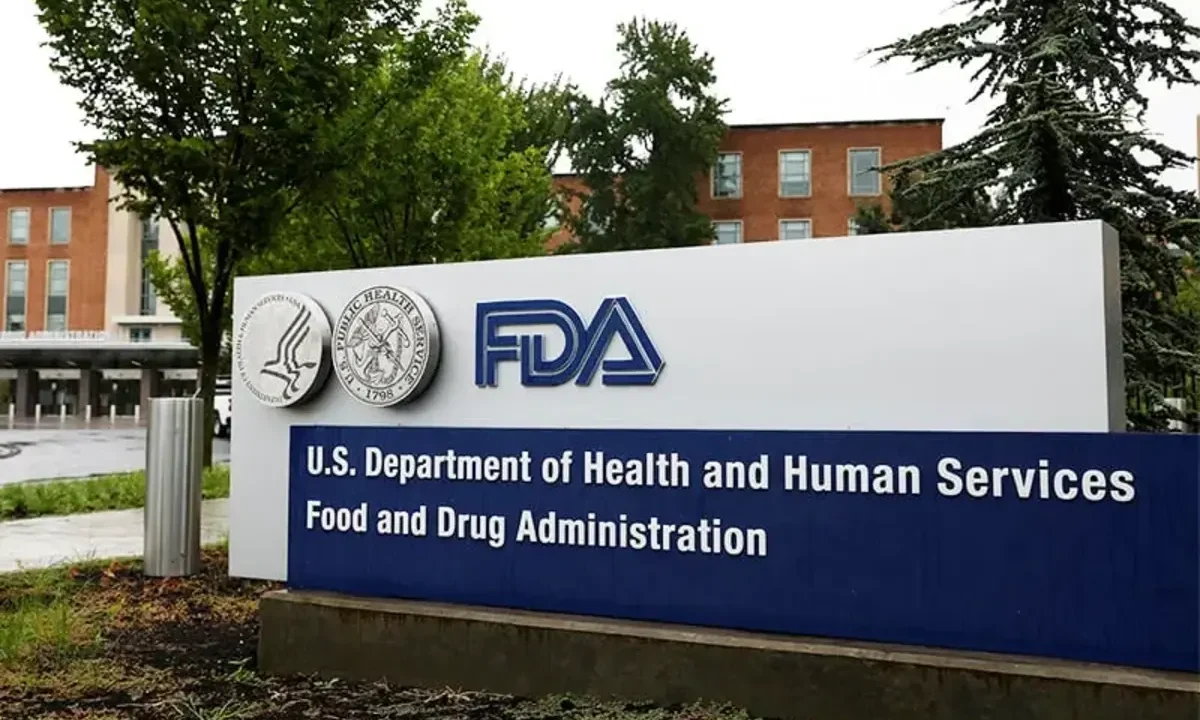
 The US FDA’s approval of Amtagvi allows its use in patients whose cancer has spread to other parts of the body and cannot be removed with surgery. Source: Reuters (https://www.freemalaysiatoday.com/category/business/2024/02/17/us-fda-grants-accelerated-approval-for-iovances-skin-cancer-cell-therapy/)
Americans for Tax Reform’s Director of Consumer Issues, Tim Andrews, has penned a letter to the U.S. Office of Management and Budget (OMB) to reject the Food and Drug Administration’s (FDA) call to implement a “low nicotine” standard in cigarettes.
Public health best practice emphasizes the importance of harm reduction in this space, rather than broad-sweeping prohibition. Efforts to ban our way out of a public health quagmire both punishes people dealing with an addiction and serves to benefit the black market which carries with it greater concerns. The United States must follow the lead of countries such as the United Kingdom and Sweden which have seen dramatic declines in smoking rates and smoking-related illnesses due to science-based harm reduction initiatives.
Americans for Tax Reform urge the OMB to reject the FDA’s proposed low-nicotine standard.
Read the full letter below:
Dear Ms Young,
On behalf of Americans for Tax Reform, a nonpartisan, non-governmental organization representing taxpayers and consumers across the United States, I am writing to express deep concern regarding recent media reports that the Food and Drug Administration (FDA) is seeking the Office of Management and Budget (OMB) to move forward with proposals to implement a “low- nicotine” standard in cigarettes. If implemented, such a policy would amount to a de facto prohibition of all cigarettes presently on the market, and stands in stark opposition to public health best practices, which emphasize harm minimization over outright prohibition. Furthermore, it would have significant negative economic, social, and public health consequences, while failing to achieve meaningful public health benefits.
First and foremost, it is crucial to recognize that people smoke for the nicotine but die from the tar. In contrast to popular perception, there is no doubt in the academic and medical communities that while highly addictive, in isolation, is relatively benign. The primary health risks associated with smoking stem from the combustion process, which produces thousands of toxic compounds. Ironically, the proposed low-nicotine standard would ban the only component in cigarettes that is not inherently harmful. By forcing individuals to consume more cigarettes to achieve their desired nicotine levels, this policy would exacerbate health problems rather than alleviating them.
Moreover, a low-nicotine standard would create a massive black market for traditional cigarettes, with links to organized crime that law enforcement officials agencies such as the Department of Homeland Security have already listed as a significant threat to national security. I wish to draw your attention also to evidence from countries such as Australia which highlights the tragic consequences of draconian tobacco policies. Australia’s stringent regulations have led to 197 firebombings, two assassinations, and ongoing gang wars fueled by illicit tobacco trade. Such outcomes would likely be replicated in the United States, fostering organized crime, trafficking, and violence.
In addition to the negative health and law-enforcement effects of this policy, the economic ramifications ought also be noted. Diverting sales from the legal market to the illicit market would significantly reduce tax revenues that fund essential public services. Simultaneously, the majority of American tobacco farmers, who rely on cultivating traditional tobacco crops, would face economic devastation. The disease-prone nature of the newly proposed low-nicotine tobacco strains makes them an unviable alternative for most farmers, threatening their livelihoods and regional economies.
Additionally, history provides sobering lessons about the societal costs of prohibition. Tragic incidents, such as the death of Eric Garner, underscore how enforcement of prohibition-related policies disproportionately affects minority communities and exacerbates tensions between law enforcement and the public. Introducing a low-nicotine mandate would only heighten these risks, with potentially devastating consequences.
It is also worth noting that public health policy across various domains has increasingly embraced harm reduction rather than prohibition. For example, cannabis legalization and the growing acceptance of harm-reduction strategies for opioid use demonstrate the effectiveness of pragmatic, evidence-based approaches. Prohibition, in contrast, has consistently proven counterproductive and harmful.
Finally, the timing of this proposed policy raises concerns about good governance. Implementing such a sweeping change in the final stages of an outgoing administration undermines democratic accountability. Decisions of this magnitude should reflect the will of the American people and be subject to robust public debate and scrutiny.
Rather than pursuing prohibitionist policies, the FDA and OMB should prioritize harm reduction through embracing innovative technologies such as e-cigarettes and nicotine pouches. These alternatives are proven to be at least 95% less harmful than combustible cigarettes and have shown significant potential in reducing smoking rates. By providing smokers with safer options to satisfy their nicotine needs, these products can achieve the dual goals of protecting public health and preserving personal freedom.
Countries that have embraced harm reduction, such as the United Kingdom and Sweden, have witnessed dramatic declines in smoking rates and smoking-related illnesses. The United States has the opportunity to follow suit by adopting a science-based, consumer-focused approach that encourages the transition to reduced-risk products rather than penalizing smokers through misguided policies.
In conclusion, I urge the OMB to reject the FDA’s proposed low-nicotine standard. This policy would not only fail to achieve its intended public health goals but would also inflict significant economic, social, and governance-related harm. Instead, let us focus on strategies that truly work: harm reduction, innovation, and respect for individual choice.
Thank you for your consideration. Sincerely,
Tim Andrews
Director of Consumer Issues Americans for Tax Reform