

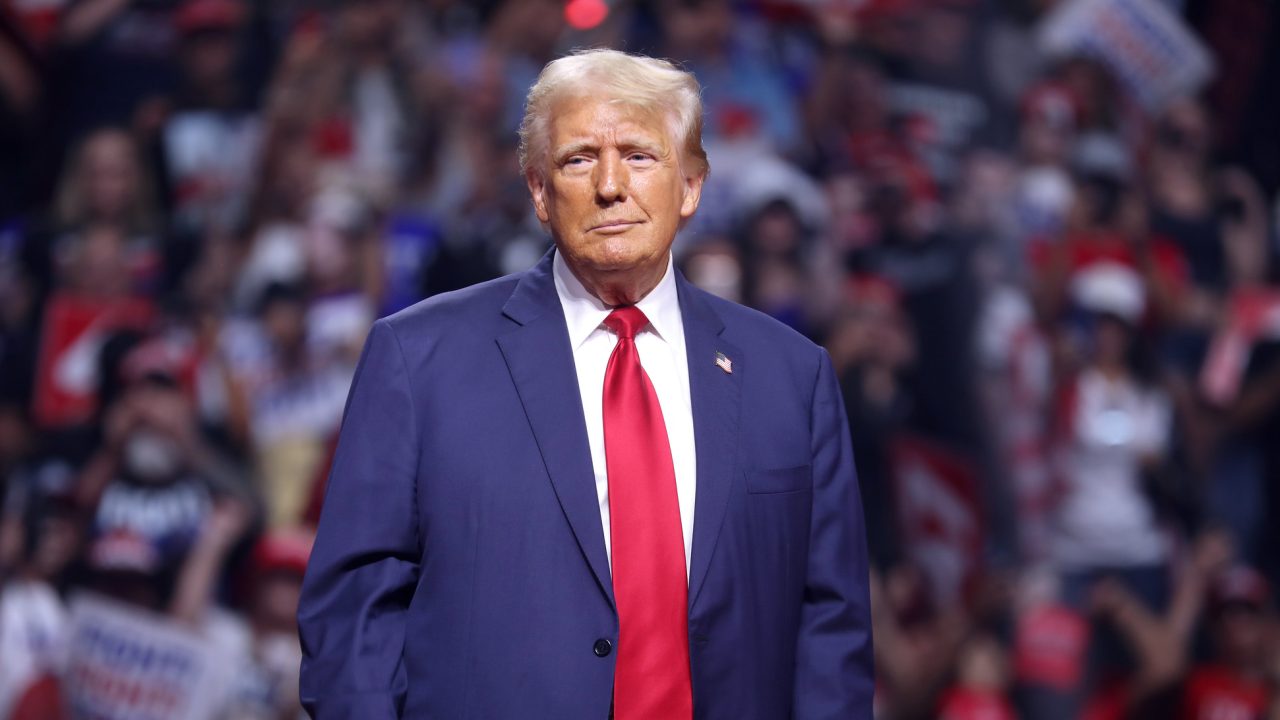
 Donald Trump by Gage Skidmore licensed under CC
On Friday, President Trump took decisive action to protect American innovation and economic competitiveness from unfair foreign taxes and regulations, including digital service taxes (DST’s), that harm U.S. companies. These taxes allow foreign governments to tax American businesses for operating abroad, hindering US sovereignty. In response, the Trump administration will implement countermeasures and investigate these practices to protect American innovation and ensure U.S. companies are governed by American rules, not foreign policies.
For years, European governments have imposed taxes and fines that disproportionately impact American businesses, while providing advantages to their own firms and even Chinese competitors. To date, European regulators have collected over $39.9 billion from U.S. technology companies through digital taxes and penalties.
Several European nations including France, Italy, Spain, Austria, and the UK have implemented Digital Services Taxes, resulting in a loss of over $11 billion for U.S. companies and the U.S. tax. Canada has recently followed suit with a similar policy, introducing a retroactive DST expected to collect more than $2.6 billion from U.S. businesses in 2025. These policies not only cause direct financial damage but also create an anti-competitive environment that hampers American innovation and investment.
Beyond taxation, new regulations like the Digital Markets Act (DMA) and Digital Services Act present additional challenges for American companies. These measures are expected to result in $13 billion in annual U.S. export losses and up to $50 billion in compliance and operational costs. The EU has opened DMA investigations into Apple, Google, and Meta, potentially imposing fines of up to 10% of their global revenue. At the same time, the DSA is being enforced selectively, with investigations targeting U.S. platforms like X, while similar European and Chinese competitors face little to no scrutiny.
Europe’s recent push for AI regulation presents a major obstacle to America’s leadership in emerging technologies. The EU is proposing restrictions that disproportionately affect the U.S. AI models compared to those from European and Chinese competitors, while also attempting to force American companies to disclose sensitive trade secrets and proprietary data to foreign regulators. These policies could severely weaken U.S. innovation in artificial intelligence, while providing strategic advantages to foreign competitors.
The broader impact of these policies reaches beyond U.S. companies. Former Italian Prime Minister noted that the EU has developed over 100 tech-focused laws and more than 270 regulators overseeing digital markets. A CSIS report warns that Europe’s regulatory framework may unintentionally benefit Chinese companies by limiting domestic innovation, while allowing China to expand its influence in critical areas of European infrastructure.
Additionally, countries such as Australia, Brazil, Canada, India, Japan, Korea, and Turkey are all being affected by the EU’s digital tax and regulatory policies, raising concerns about the creation of new non-tariff barriers that could impact worldwide economic leadership. As these policies spread globally, they create challenges to U.S. companies that could alter global trade dynamics, highlighting the need for a proactive US response to protect US competitiveness and innovation.
President Trump’s directive represents a step toward combating these challenges and ensuring that American businesses can compete on fair terms. As the administration and Congress work to strengthen U.S. technology leadership, it will be essential to counter policies that disadvantage American companies while reinforcing an environment that drives innovation and economic growth.