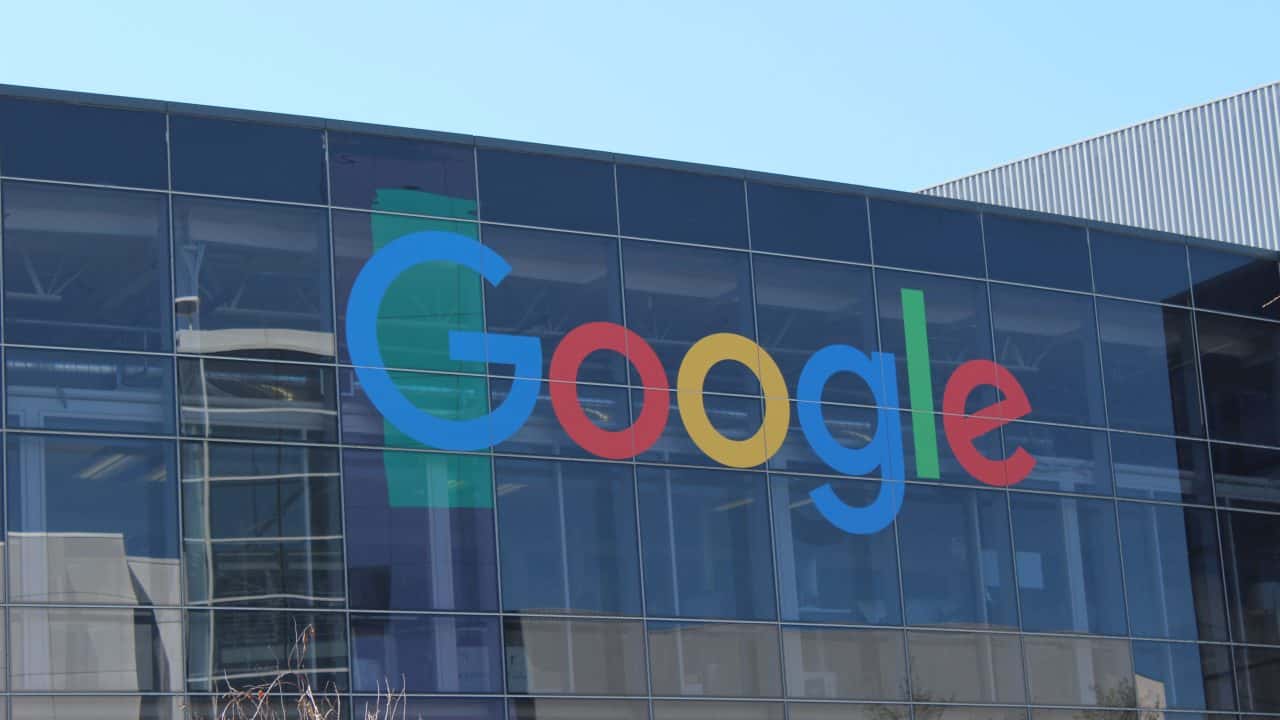
 Google HQ by Ben Nuttall is licensed under CC
On January 27, United States Trade Representative Jameson Greer called out the Republic of Korea (ROK) for not promptly adhering to commitments made in the latest trade deal with the U.S. This followed an announcement by U.S. President Donald Trump that he would raise tariffs on Korea to 25% as a punitive measure for not living up to the trade deal. By not promptly adhering to its end of the trade deal, Korea has deliberately kept in place discriminatory barriers to U.S. firms in the digital space.
American tech firms face significant barriers and discriminatory treatment across the board that must be addressed and dealt with promptly in order to promote an open and fair market for both countries. For example, U.S. map providers, including Google Maps, have been blocked from offering a fully functional maps service due to restrictions in exporting map data put in place by Korea. Additionally, Korea passed an online censorship law that would censor online speech, something that is incompatible with many U.S.-based online platforms.
Korea has been notably restrictive to the emerging AI market as well, passing several laws that disproportionately target U.S. AI providers and limit the AI market as a whole. Currently, U.S. cloud services providers are blocked from offering cloud and AI services to the public sector and regulated industries. Additionally, Korea’s current AI regulation framework is incredibly restrictive and burdensome for AI providers, even more so than the EU’s AI Act. These restrictions seek to limit a booming market from reaching Korean consumers and explicitly discriminate against American AI and cloud service providers.
Lastly, Korea’s enforcement mechanisms for their digital regulatory framework are unnecessarily burdensome and unfair for many American companies in the digital space. The “Platform Fairness Bill,” which is expected to advance in the National Assembly until March, includes ex-ante requirements and prohibitions for online platforms that will disproportionately impact US companies and their business practices, with 10% fines of revenue. Additionally, US company executives are frequently subject to excessive criminal investigations in Korea. For example, Google has been under a multi-year investigation by the Seoul Police regarding the policies of Google’s Play Store. These methods of enforcement exacerbate the negative effects of the discriminatory regulations themselves and seek to restrict and extort successful American tech firms.
These barriers are directly in opposition to the terms agreed upon in the trade deal Korea signed with the U.S. last year, which stated that the two countries would “commit to ensure that U.S. companies are not discriminated against and do not face unnecessary barriers in terms of laws and policies concerning digital services.” Despite this, while Korean companies have enjoyed uninterrupted market access and fair treatment in the U.S., American tech firms continue to face these unfair barriers and treatments. Seoul has actively denied any link between the digital issues and the recent tariffs, but the trade deal explicitly states that barriers to an open digital market must be removed, and the Koreans have not held up their end of the deal. As a result, it is only natural for the U.S. to enforce punitive measures to ensure that an open digital market is maintained.
The Trump administration has acted swiftly in defending U.S. interests in foreign markets and placing pressure on Korea to adhere to the trade deal the two countries agreed to last year. Korea must remove all barriers to digital market access for American firms in order to restore the open trade relationship between the two countries. Not only does this allow for a free and open market that benefits Korean consumers, but it also maintains a positive relationship with their strongest and most supportive ally in Washington.