
How much does the federal government really spend on poverty in America?
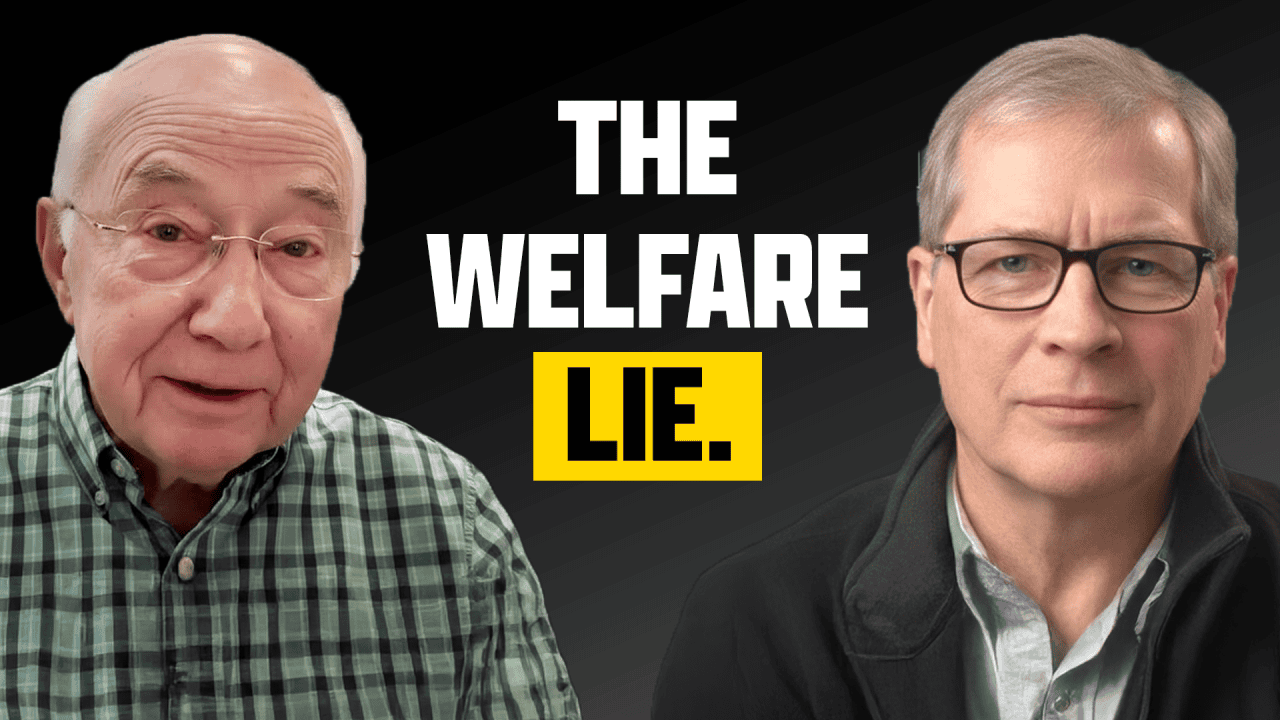
In a recent episode of Leave Us Alone, Grover Norquist sat down with former U.S. Senator Phil Gramm to tackle that question and others Washington often avoids. The conversation focuses on welfare spending, how poverty is officially measured, and why many commonly cited statistics give the public a misleading picture of economic hardship in the United States.
Gramm explains that official poverty measures routinely exclude the value of government benefits such as food assistance, Medicaid, housing support, and tax credits. When those benefits are left out, poverty appears far more widespread than it actually is. When they are included, the picture changes dramatically.
The discussion also revisits broader themes of economic growth, fiscal responsibility, and why honest measurement matters. Bad policy begins with bad assumptions. Good policy requires clear-eyed accounting and transparency about what government is already doing.
If you care about taxpayer accountability, welfare reform, and getting the facts right before expanding federal programs, this is a conversation worth hearing.
Watch or listen to the full episode of Leave Us Alone featuring Phil Gramm: