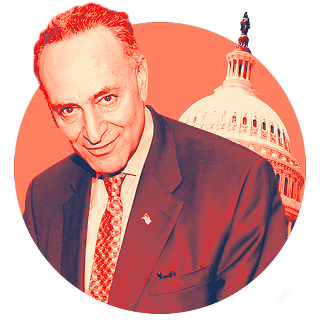
 Pennsylvania_Attorney_General_Josh_Shapiro_delivers_remarks.jpg by The United States Department of Justice, Public domain, via Wikimedia Commons
Pennsylvania has been in a battle between common-sense, no-tax-hike budgeting versus reckless spending measures for over 100 days.
Pennsylvania Democrats, led by Governor Josh Shapiro, have been attempting to raise the budget by 7.5%. This would be the third budget increase under Josh Shapiro. The Pennsylvania budget has ballooned 64% over the past 10 years, and now Democrats want to pass a $51.7 billion budget. However, available funds for Pennsylvania’s budget stand at $47.9 billion, putting the proposal $3.5 billion over budget.
The main issue surrounding funding remains public transportation and education funding. Pennsylvania Democrats are seeking financing for SEPTA and PRT, the state’s struggling public transit systems, both of which have experienced declining ridership since the COVID-19 pandemic. SEPTA has become a significant sticking point as it is currently running a $240 million budget deficit. This is because it relied on federal COVID-19 relief funding. Senate republicans have been adamant about not sending tax dollars from other counties to assist a struggling, mismanaged organization.
While there is an issue with SEPTA, throwing money at it does not fix it.
The situation has dragged on, and tax hikes have become threatened to fuel the spending binge.
Americans for Tax Reform sent a letter to Pennsylvania legislators this week, urging them to avoid tax hikes, saying:
“An increase to sports betting or other gaming tax rates would be outrageous and irresponsible. Pennsylvania’s sports betting tax is nearly the highest in the nation already at an effective 36% rate; the iGaming rate is the highest in the country at 54%.”
“Excessive tax rates on gaming promote illegal black market betting. This supports criminal networks and activity.”
“Recent numbers show taxable sports betting revenues fell almost 50% year over year between 2024 to 2025, and the state collected less revenues than the prior two months. The state’s high taxes are not helping anyone, and the economic growth and job creation from the industry would clearly be under threat if taxes were even higher.”
“Democrats have also proposed a regressive digital ad tax. Costs would be passed down to consumers, and make running a small business more difficult, regardless of where the tax is aimed.”
“Additionally, Democrat tax plans have included taxes on cannabis, as well as redirecting the sales tax towards transit funding. They have proposed the idea of a rideshare tax on companies such as Uber. The proposed plan would tax citizens who choose to use alternative methods of transportation, at the expense of a transit system that has fallen into mismanagement in recent years.”
“These, and any other tax hikes are bad policies, and a trap. Republican participation in a tax hike would grant Democrats their wish on additional spending and violate our shared principles.”
Republican legislators have fought off tax hikes and costly spending demands thus far. The Senate caucus has been strong, releasing a statement on the Republican budget saying that it
“continues to meet the Senate Republican requirement of imposing no tax hikes on Pennsylvania families.”
That plan, State Bill 160, sets the budget to $47.9 billion, about $2 billion less than the House proposed budget. It fully utilizes the state budget without raising any new taxes. If passed, this bill would be a massive victory for the State of Pennsylvania, especially for Senate Republicans, who upheld their goal of not raising taxes.