

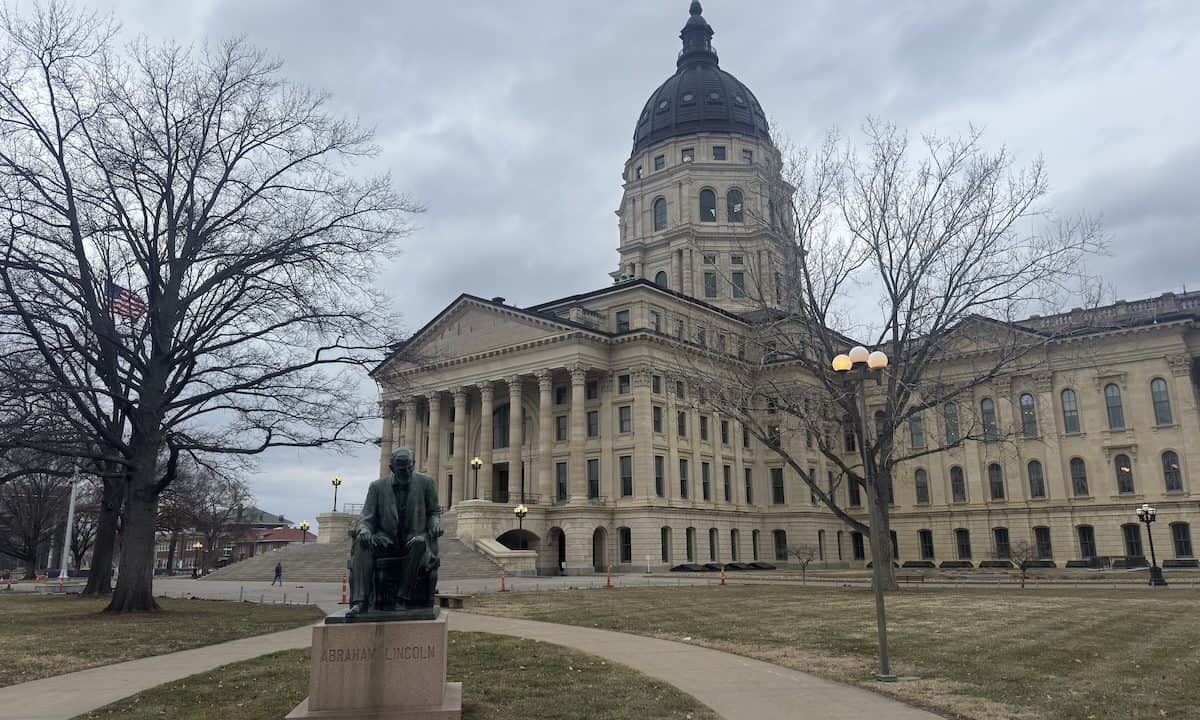
 Kansas Statehouse
Led by Senate President Ty Masterson and Speaker Dan Hawkins, the Kansas legislature garnered 2/3 majority support in both chambers for legislation that would reduce the personal income tax rate from 5.58% to a single rate of 4%, building upon last year’s income tax cut and vaulting ahead of many other states pursuing “trigger laws” of their own.
The bill, SB 269, now awaits Governor Laura Kelly’s signature.
Revenue trigger legislation requires permanent income tax cuts whenever tax revenue exceeds a certain threshold. Under the Kansas bill, any surplus revenue above the growth in regional CPI inflation would be returned to the taxpayers in the form of permanent income tax cuts until the rate hits 4%. Then, the corporate tax would see similar, trigger-style reductions until it, too, hits a flat 4%.
Legislation of this kind has been wildly successful around the country in terms of reducing income tax rates consistently and responsibly. When the state faces a deficit, no cut is mandated. But when the state faces a surplus and politicians are tempted to spend that money on new programs, trigger legislation functions as an effective spending cap by sending that extra cash back to where it belongs: in the wallets of those who earned it.
Triggers have been tried, tested, and found to be successful in a number of states already, including North Carolina, Kentucky, West Virginia, and Louisiana. Looking to join their ranks in 2025 are Missouri, Ohio, and Oklahoma.
Many states are even using triggers to eliminate their income tax completely. Mississippi Gov. Tate Reeves signed HB 1 into law just last week, phasing the income tax to 3% by 2030 and then all the way to zero. West Virginia and Kentucky are both already on the way to zero and governors and legislative leadership in 15 states are committed to phasing out the income tax for good.
With SB 269 awaiting her signature, Governor Kelly now has a golden opportunity to follow in the footsteps of moderate Democrat Gov. Andy Beshear. Kentucky was first out of the gate to slash income taxes this year, moving from a flat 4% to 3.5% in a bill that had such overwhelming support from the legislature that Gov. Beshear had no choice but to cheerfully sign the tax cut into law.
Governor Kelly ought to do the same and sign SB 269 as quickly as possible. During these times of economic uncertainty, Kansas families, businesses, and individuals will benefit tremendously from the return of their income tax dollars – a much needed influx of cash that will help them weather the coming storm.