

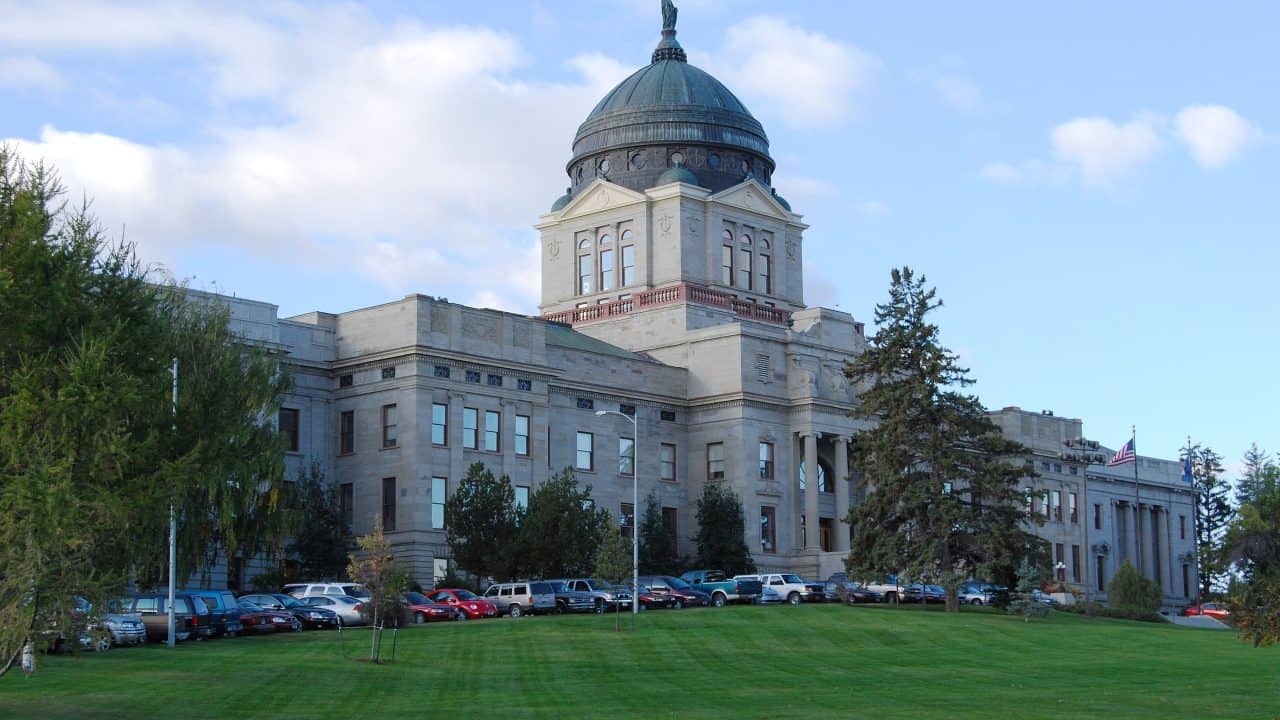
 MontanaStateCapitol by Parkerdr is licensed under CC BY-SA 3.0
Montana lawmakers will have an opportunity in 2027 to build on years of successful tax reform by taking the next step toward a more competitive tax code: adopting a flat 4.7% individual income tax.
Since Governor Greg Gianforte took office, Montana has made significant progress reducing the income tax burden on families and businesses. In 2021, Montana had seven individual income tax brackets and a top rate of 6.9%. Successive rounds of tax relief have consolidated those seven brackets into two and reduced the top rate, which is scheduled to fall to 5.4% in 2027.
But with regional competitors boasting lower income tax rates, and some even imposing no state income tax, Montana still has work to do. Governor Gianforte has made clear that moving to a flat tax should be the next step.
“We’re here today because we believe in a simple truth: Montanans know how to spend their money better than the government does,” Gov. Gianforte said at a press conference promoting the effort. “Despite our past conservative reforms, Montana still has one of the highest income tax rates in the Rocky Mountain West. We must get Montana to a flat income tax to create more jobs, more opportunity, and more prosperity for Montana families.”
Moving to a single 4.7% rate would build on these reforms while making Montana’s tax code simpler, more competitive, and more conducive to economic growth.
The economic benefits would be significant. According to economic modeling highlighted by the Flat. Fair. Montana. campaign, adopting a 4.7% flat income tax could increase Montana’s gross state product by approximately $525 million and generate $286 million in additional wages. The analysis also estimates that the reform would support more than 2,400 additional jobs while increasing after-tax income by nearly $650 per person.
Those gains would come from allowing Montanans to keep more of what they earn and improving the incentives to work, invest, and grow a business in the state. Lower income tax rates reduce the penalty associated with earning additional income, making Montana a more attractive place for entrepreneurs and businesses to invest.
A flat tax would also improve Montana’s competitiveness at a time when states across the country are aggressively reducing their income tax burdens. Since 2021, more than two dozen states have reduced their individual income tax rates. States including Arizona, Georgia, Idaho, Iowa, Louisiana, Mississippi, and Ohio have moved from graduated income taxes to flat taxes, while others are pursuing additional rate reductions or working toward eliminating their income taxes altogether.
This competition is particularly important for Montana because several of its regional competitors already impose significantly lower income tax burdens. Wyoming and South Dakota levy no individual income tax. Arizona has a 2.5% flat tax, Colorado has a 4.4% flat tax, and Utah has a 4.5% flat tax. Idaho’s flat rate is also below the 5.4% top rate Montana is scheduled to have in 2027. Reducing Montana’s rate to 4.7% would significantly narrow that competitive gap and ensure that the state does not lose ground as other states continue cutting taxes.
Flat taxes also provide greater transparency and accountability. Graduated tax systems make it easier for lawmakers to raise taxes on narrow groups of taxpayers while telling most voters that someone else will foot the bill. Under a flat tax, the cost of raising the rate is much more visible, giving taxpayers a clearer understanding of the price of additional government spending.
Montana is well positioned to pursue this reform because lawmakers have spent years pairing tax relief with responsible budgeting. The state has already demonstrated that it can significantly reduce income tax rates while maintaining a strong fiscal position. Despite opponents claiming that tax cuts would lead to fiscal problems, Montana’s income tax revenues more than doubled as Governor Gianforte made previous rounds of tax cuts. Rather than allowing strong revenues to permanently expand the size of government, lawmakers should continue returning money back to the taxpayers who earned it.
With other states continuing to lower rates, flatten tax codes, and eliminate income taxes, standing still would mean falling behind. A 4.7% flat income tax would allow Montanans to keep more of their hard-earned money, strengthen the state’s economy, and make Montana a more competitive place to live, work, invest, and build a business.