

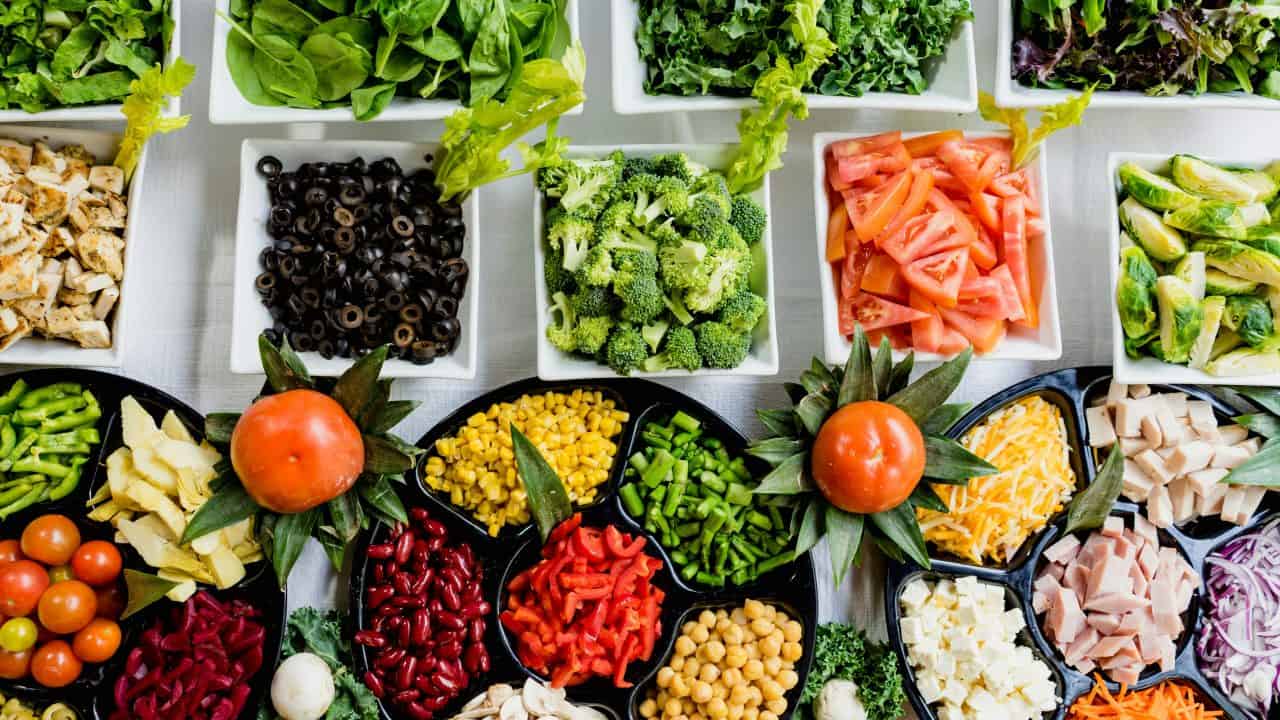
 Photo by Dan Gold on Unsplash
More regulation doesn’t mean healthier food. In fact, it often means the opposite. Overregulation leads to higher grocery bills, fewer choices, and less investment in the ingredients of tomorrow, ultimately undermining the very health outcomes lawmakers claim to want.
Yesterday, the House Committee on Energy and Commerce held a hearing entitled “Healthier America: Legislative Proposals on the Regulation and Oversight of Food.” Members discussed several bills aimed at reducing chronic disease and giving Americans more control over their health. One of these bills was Rep. Kat Cammack’s (R-Fla.) FDA Review and Evaluation for Safe, Healthy (FRESH) and Affordable Foods Act of 2026. This legislation would make several important, beneficial reforms.
Most notably, the bill’s national preemption provision eliminates the patchwork of state-level warning label mandates – like California-style regulations – replacing them with a single national standard that reduces compliance costs. The 90-day deemed-approval clock for new Generally Recognized as Safe (GRAS) notifications serves as a check on agency delay, ensuring FDA inaction cannot be used as a de facto veto. The third-party scientific panel framework and FEMA Panel pre-authorization similarly reduce FDA’s direct regulatory burden by offloading review work, while the mandatory notice-and-comment rulemaking and two-year transition period before any substance removal protects against unilateral agency action. These provisions advance a leaner, more accountable federal food safety structure.
America doesn’t suffer from a lack of food regulations; it suffers from too many. State ingredient laws are increasingly driven by trends rather than sound science. This growing patchwork of state regulations is fragmenting the market, restricting consumers, raising costs, and discouraging innovation.
The Make America Healthy Again (MAHA) movement brought forth a much-needed discussion around nutrition. More than ever, consumers are reading labels, opting for whole foods, and avoiding foods they regard as unhealthy.
While it is important to regulate and/or ban genuinely unsafe ingredients, it is not acceptable for any government – state or federal – to ban ingredients that are considered safe but offend the personal preferences of lawmakers.
Ironically, overregulation leads to less access to healthy foods, restricts future health movements, makes food (especially healthy food) more expensive, and hurts innovation, handicapping the development of healthier ingredients.
Overregulation leads to less access to healthy foods. The FRESH and Affordable Foods Act rightly cuts through red tape to get harmful ingredients off store shelves faster while protecting against unscientific restrictions, keeping food costs down for everyday Americans. Right now, a slow and outdated FDA approval process means questionable substances can stay in the food supply for years. This bill fixes that by setting clear, science-based standards and holding the agency accountable to real deadlines. It also replaces a confusing maze of conflicting state labels with one clear national standard. This way, consumers actually know what they’re buying. Less bureaucracy means safer food.
The MAHA movement is consumer-led – reducing bureaucracy ensures that movements like these can prosper in the future. It wasn’t long ago that the federal dietary guidelines villainized foods now endorsed by the Department of Health and Human Services. Fat-free milk was recommended over whole milk. Red meat was maligned. Dietary cholesterol, especially in eggs, was branded as dangerous.
Today, we know that eating cholesterol generally does not affect your blood cholesterol levels unless you are genetically pre-disposed. In 2010, the Dietary Guidelines for Americans recommended low-fat and fat-free foods, driving Americans toward hyper-processed foods that replaced fat with more dangerous carbohydrates. We know now that people who eat diets heavy in full-fat dairy products actually experience lower rates of heart disease than those on low-fat diets.
Our understanding of dietary health is constantly evolving. And what is healthy for people sometimes varies from individual to individual. These realities caution against rigid mandates and underscore the limits of government judgment in matters of personal nutrition.
Unnecessary restrictions on ingredients makes food more costly for everyone. Without uniform standards, food manufacturers are forced to cater their products to fit a hodge-podge of different state requirements. This makes it difficult to produce at scale, thus increasing the cost of producing the product. At a time when affordability is a top issue for voters, making their grocery bill more expensive is a mistake.
Ingredient bans hurt innovation. When states prohibit ingredients that the federal government deemed safe, they discourage all investment. After all, why pour resources into developing a product that could be banned before it ever reaches consumers? This pushes research dollars overseas to countries with more stable regulatory environments. Given the growing demand for healthier alternatives, the next breakthrough in food technology could very well be a cleaner preservative, a naturally-derived additive with greater nutritional value, or a new precision-fermented ingredient. Innovation is key to developing a healthier food landscape… and innovation markets only work when the rules are clear.
Both manufacturers and consumers benefit from the science-driven, uniform standard for ingredient and label requirements outlined in the FRESH and Affordable Foods Act. Without a concrete standard, grocery costs will keep rising, access to healthy foods will drop, consumers will have less options, and investment dollars will move overseas.