

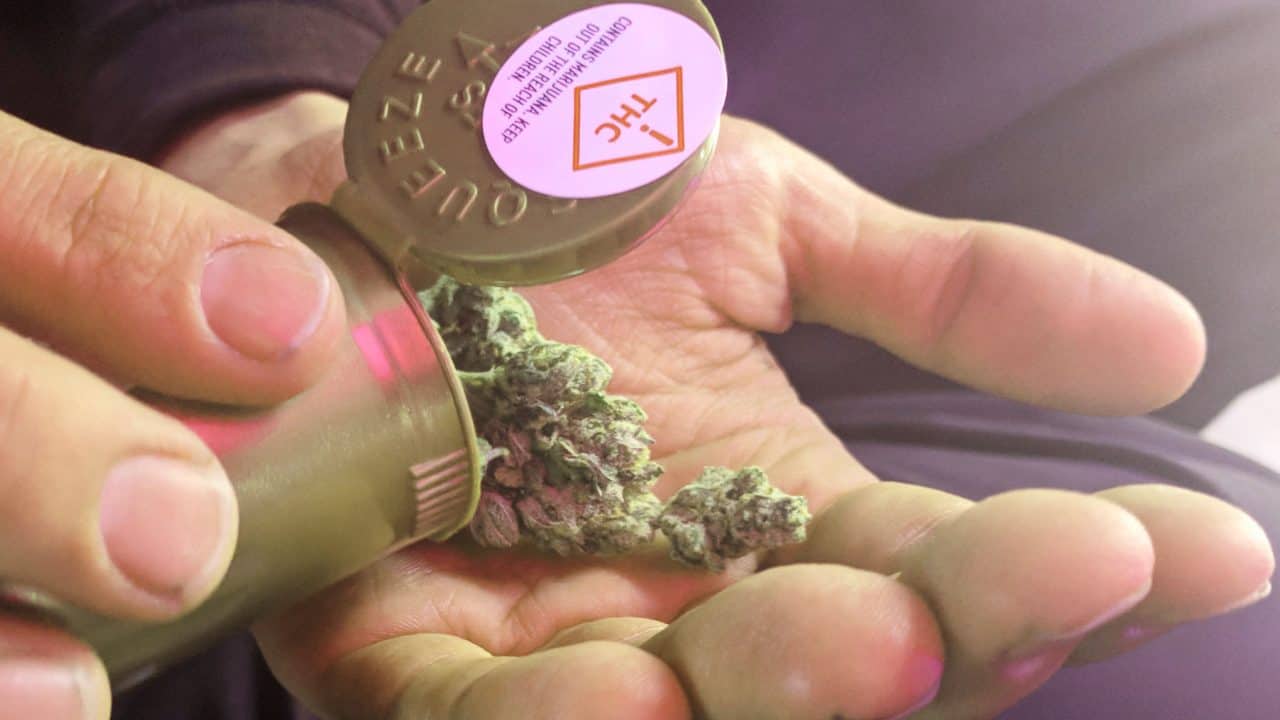
 Legal cannabis (marijuana) product by Cannabis Tours is licensed under Creative Commons Attribution-Share Alike 4.0 International license
Since Michigan legalized recreational cannabis, the state’s legal market has been increasingly burdened by excessive and onerous taxes. With three separate taxes now applied to the product, the cost of operating legally has risen substantially, hurting businesses, driving up prices for consumers, and undermining the ability of the regulated market to compete with illegal sellers.
In 2018, Michigan voters approved Proposal 1, which legalized recreational marijuana for the public with the hope of moving people away from the illicit drug market. Fast forward six years, and the market is grim, with dispensaries closing their doors across the state.
One of the clearest examples of this is the Higher Love Cannabis Company. On August 10th, Higher Love announced it was closing five of its nine dispensaries in the state’s Upper Peninsula, citing an excessive tax burden. In a press release, Higher Love Cannabis Company stated, “The added tax burden has further strained the supply chain and made it increasingly difficult for responsible operators to remain viable.”
Higher Love is right that the current tax and regulatory structure has made operating a dispensary in Michigan nearly impossible. Last year, Governor Gretchen Whitmer signed a 24% wholesale tax on cannabis into law, which applies when cultivators sell to dispensaries. This tax is on top of the existing 10% state excise tax that consumers pay, in addition to the 6% sales tax. Due to the multiple layers of taxation applied, cannabis is effectively subjected to 40% in taxes.
Just like any other business, increased costs for businesses will lead to less business growth and business closures. Sales of recreational cannabis have fallen by $140 million since 2024, and more than 900 licenses have gone inactive. This also comes as neighboring states like Illinois and Ohio legalize marijuana, taking away potential consumers from Michigan dispensaries in bordering towns and cities. As Michigan loses its market differential, having higher taxes will only further hurt businesses and lead to greater costs for consumers.
As legal dispensaries shut down operations, the major winner is the illicit market. According to the Reason Foundation, illicit growers have operating costs nearly 20% lower than those of the legal growers since they do not have to pay taxes, licensing fees, laboratory costs, or regulatory expenses. This allows illicit growers the ability to sell marijuana at a discounted rate and grow their operations. This directly harms legal distributors, who are unable to compete on price, and consumers, who face greater health risks due to the illicit market. In terms of finances, having a much more active and potent illicit market makes it harder to collect revenue, which has been shown clearly in Michigan, where the wholesale tax has missed projections by over $70 million. Clearly, taxing businesses into oblivion has undermined the goals of Proposal 1 and has crushed the cannabis industry in Michigan. This is not viable in the long term.
While the current conditions look bleak, there is hope. In February, a bipartisan coalition of state senators led by Senator Jonathan Lindsey introduced Senate Bill 810, which would repeal the 24% wholesale tax. As Senator Lindsey explained, “Lansing must realize that growing government by taxing businesses into oblivion has never been, and will never be, a way to encourage a healthy Michigan economy.”
Repealing the wholesale tax would be a big step in restoring a competitive and sustainable legal cannabis market in Michigan. Rather than continuing to pile new taxes onto an already heavily taxed industry, lawmakers should realize that excessive taxation only raises costs for legal businesses and consumers while giving illicit sellers a greater advantage. Michigan cannot tax its way to a healthier legal market.