

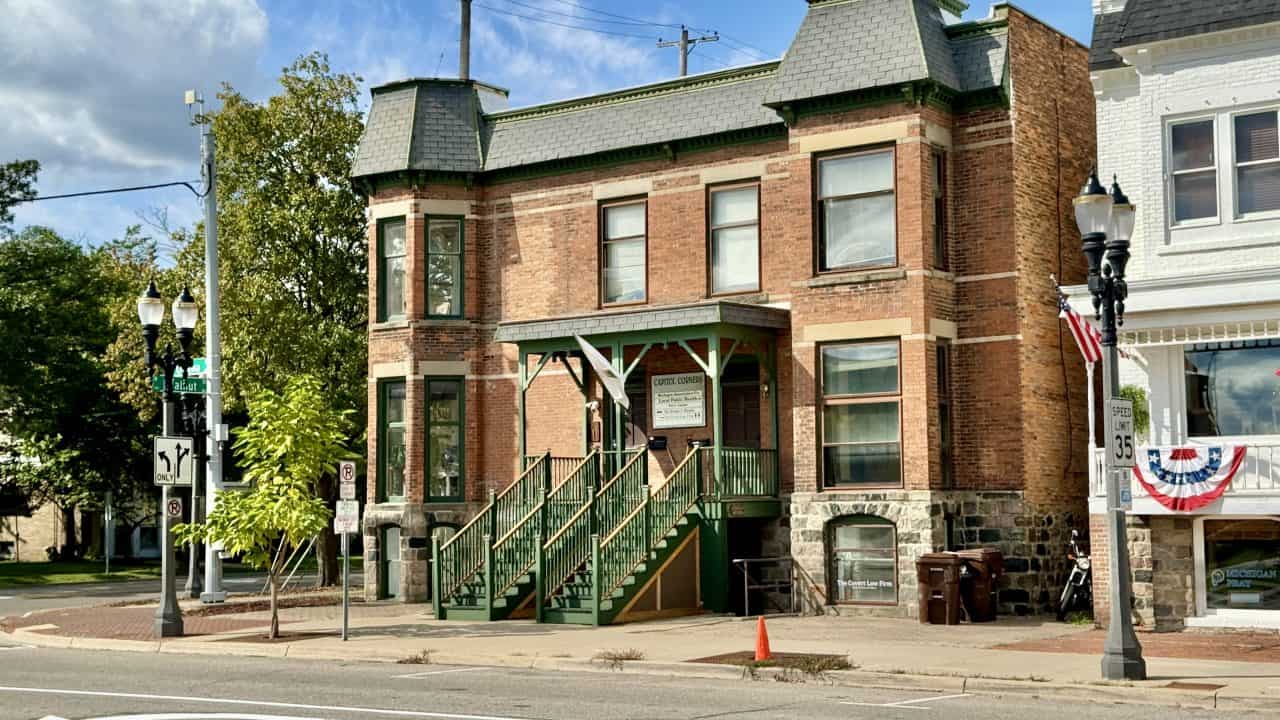
 Emery Houses by w_lemay is licensed under Creative Commons Attribution-Share Alike 2.0 Generic license
Michigan lawmakers are currently considering the Housing Readiness Package, a series of bills aimed at making housing more affordable by expanding property rights, cutting unnecessary government red tape, and allowing the free market to better respond to the state’s housing needs.
One of the bills included in the package is HB 5584, introduced by Representative Joey Andrews. This bill would help build out critical missing-middle housing by allowing duplexes to be built where single-family residences are and by blocking localities from imposing excessive red tape and regulations.
This reform will help increase the supply of affordable housing in Michigan. The key to making housing more affordable is ensuring that supply can keep up with demand. However, the local governments often use zoning to block duplexes from being built. For example, Traverse City, Michigan, has 83% of its land zoned for single-family houses. Zooming out reveals that Michigan is still beholden to this single-family zoning system, with 90% of residential land allowing a single detached home to be built without a public hearing. Zoning land in such a restrictive manner chokes the housing supply and increases costs. Rather than a lot that can house two to four families, it can only house one. By building a duplex, more people can live on that lot, spreading costs and lowering the expenses an individual must pay.
These kinds of benefits show up when other states and localities institute these reforms. For example, Oregon passed HB 2001 in 2019, which preempted local restrictions on duplexes and by 2022, all 56 affected jurisdictions were compliant with the law. Since then, cities like Bend, Oregon and Portland, Oregon have been able to build out more units of housing, with many of those being duplexes. A similar phenomenon occurred in Montana when Governor Greg Gianforte signed legislation to legalize duplexes on single-family lots.
Building out duplexes moves Michigan’s housing market in the right direction. Rather than creating an environment where the only option is a standalone single-family house, consumers have more options for the kind of housing they need or prefer. People once barred from the housing market due to high costs, such as low-income individuals, young people, and young families, can now participate. Developers also benefit from avoiding excessive red tape and having more opportunities to pursue profits. This does not mean that every standalone single-family house will turn into a duplex. Some developers will still choose to build these structures and some consumers will choose to purchase them. However, HB 5584 allows for a more diverse housing market that is capable of responding to the needs of consumers.