
 Photo by CSIRO is licensed under CC BY 3.0.
In a letter to Congress on Wednesday, leaders in the coal industry expressed opposition to the federal mandates that make up the core of the Railway Safety Act, warning of higher energy costs and supply chain disruptions.
The Railway Safety Act, reintroduced this year by congressional Democrats, is a handout to union bosses disguised as a transportation safety bill. Among other provisions, the Railway Safety Act would add a new two-person crew size mandate, whereby freight trains operated by Class I railroads must be staffed with at least two crew members even when one crew member suffices. Other provisions include the installation of new sensors to the tune of billions of dollars and new inspection requirements that increase the frequency and duration of manual inspections, even though automated track inspection technologies have been proven to make rail transportation safer.
The bill increases the number of unionized workers paying dues, which puts more money in the pockets of union bosses. But it comes at the cost of higher prices for consumers.
In their letter on Wednesday, the National Coal Transportation Association (NCTA), America’s Power, and Power the Future expressed “continued concerns regarding renewed consideration of transportation proposals that would impose broad, prescriptive changes on the nation’s freight rail system.”
“One-size-fits-all federal mandates related to train operations, staffing models, or other day-to-day operational decisions can reduce efficiency, create bottlenecks, and limit railroads’ ability to adapt service to market conditions, geography, and customer needs,” the letter argues. “Policies that reduce network flexibility, constrain capacity, or increase operating costs can have significant downstream consequences – including higher energy costs, supply disruptions, and added pressure on domestic producers and consumers alike.”
In another letter from America’s Coal Associations on Monday, a coalition of state coal and mining associations from Illinois, Kentucky, Ohio, Pennsylvania, Tennessee, Texas, West Virginia, and Wyoming expressed similar concerns.
“It is our understanding that proposals under discussion could unintentionally undermine the reliability customers depend on,” wrote the associations. “For bulk commodity shippers such as coal producers, dependable rail service is vital, and disruptions carry serious economic consequences.”
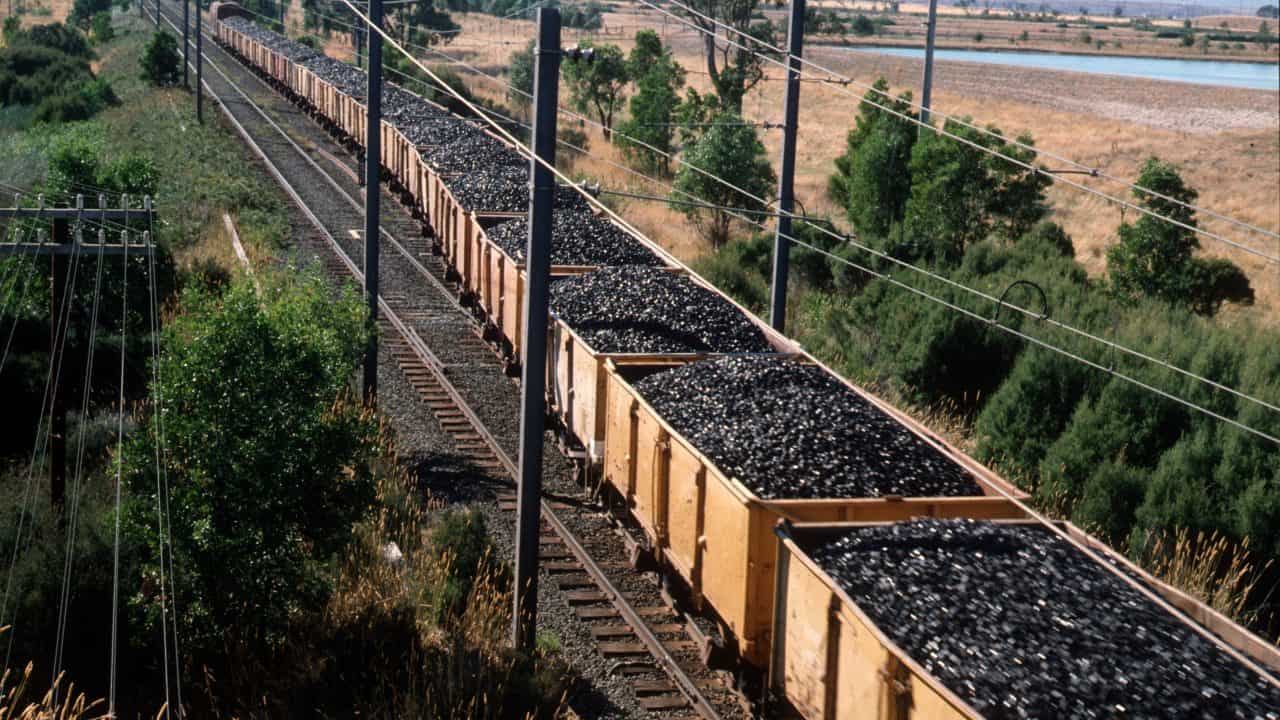
The Railway Safety Act would mandate new staffing models and constrain railroads’ ability to deliver commerce quickly and at low cost. Since 70 percent of the coal used by power plants to generate electricity travels by rail, this means higher energy prices for American households. Energy is also an input for every consumer good, so prices could increase on every item that families buy at the store.
To maintain America’s energy dominance and protect American households from higher costs, Congress should reject the Railway Safety Act.