
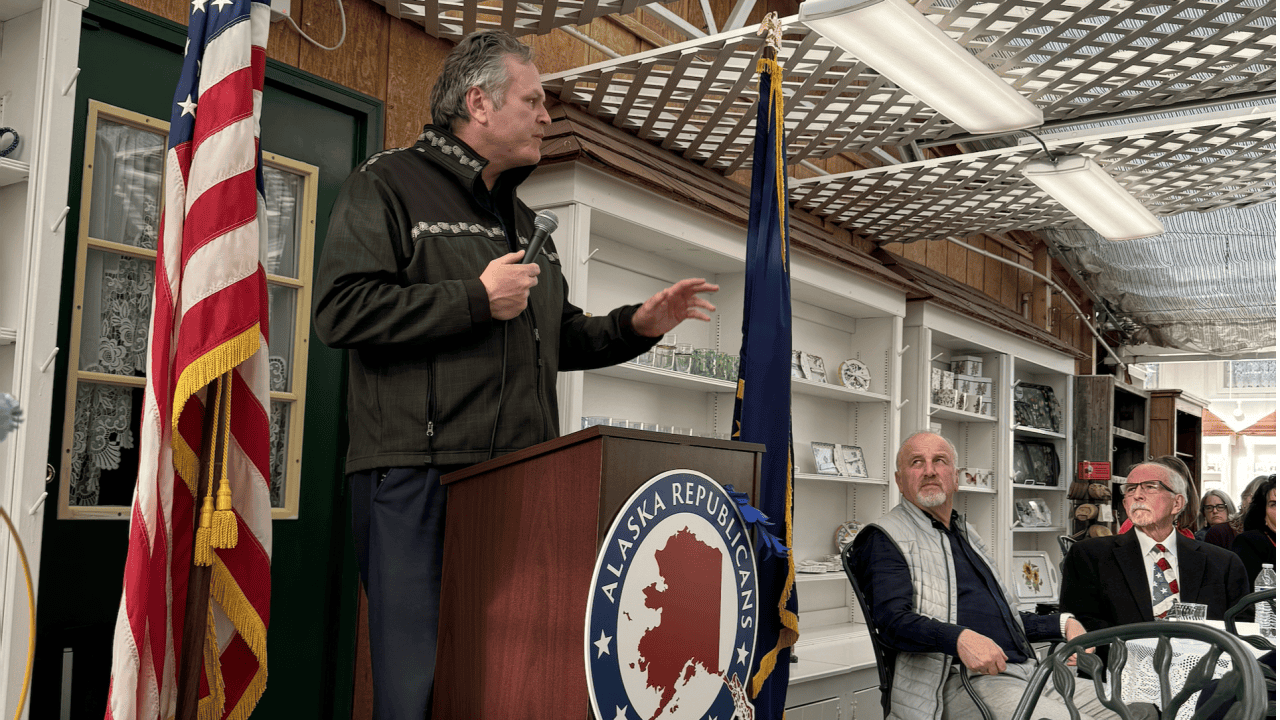
 Alaska Governor Mike Dunleavy.
Americans for Tax Reform applauds Alaska Governor Mike Dunleavy for his veto of HB 178, legislation that would have repeated expensive mistakes of the past by reverting to a Defined Benefits (DB) pension system for state employees.
Facing growing unfunded liabilities in the TRS and PERS state retirement systems, Alaska wisely moved to a 401(k) style Defined Contribution (DC) plan that limited taxpayer liability while providing greater freedom and flexibility to state employees over their own investment portfolios.
HB 178 would have brought back significant state liability to former employees with unknown and potentially disastrous costs in the decades to come, as Governor Dunleavy made clear in his veto message:
“Most importantly, House Bill 78 would return long-term investment, actuarial, and unfunded liability risk to the State and participating employers,” said Dunleavy. “Pension obligations extend for decades, and the full cost of this bill may not be apparent until years after its enactment. If the Legislature intends to increase the State’s long-term spending obligations, it must also be prepared to support the long-term revenue needed to pay for them.”
Defined benefits pension systems of any kind incur unpredictable and often unmanageable costs to the state, especially during times of economic crisis. That is because the state is required to maintain benefits for state employees at levels previously “defined” in statute. The 2008 recession is a prime example of how even the best-funded, best-managed state defined benefit pension systems eventually face existential threats and higher costs to the taxpayer, requiring spending cuts or tax increases to fulfill past promises to former state employees.
Alaska is still paying off unfunded liabilities of more than seven billion dollars from the failed pre-2006 defined benefits system. That figure rivals the entire state portion of Alaska’s operating budget for 2026. Ultimately, HB 178 did not and cannot address the fundamental issue with any defined benefit plan – that taxpayers must make up the shortfall in the event that the state-managed asset pool no longer generates sufficient returns to cover its liabilities.
Moreover, the prime argument in favor of a new pension system fell flat. Vacancy rates of 15% in Alaska are not a particularly unusual phenomenon. In the wake of the 2020 pandemic, state governments across the country still face similar staffing shortages. On top of that, Alaska already has nearly 15,000 positions across all branches of state government – and the second highest ratio of public employees per capita, a sign that reductions in the state workforce are not necessarily a bad idea.
No matter how bad the vacancy ratio might be, a more generous pension system is a poor solution. Younger employees tend to be more concerned with their salary and immediate benefits. Plus, Alaskans’ benefits under the current DC plan are already better than they would be under DB for the first 26 years of service. The primary consequence of promising better benefits to potential young state employees – but only if they work for the state for well over half of their career – is to limit their freedom and flexibility, locking them into a state job for longer than many might otherwise prefer to stay.
Thanks to Governor Dunleavy’s veto, Alaskan state employees will retain the freedom to manage their own retirement investment portfolios, and the state of Alaska can focus on paying off its $7 billion in unfunded liabilities rather than tacking on even more new debt.