

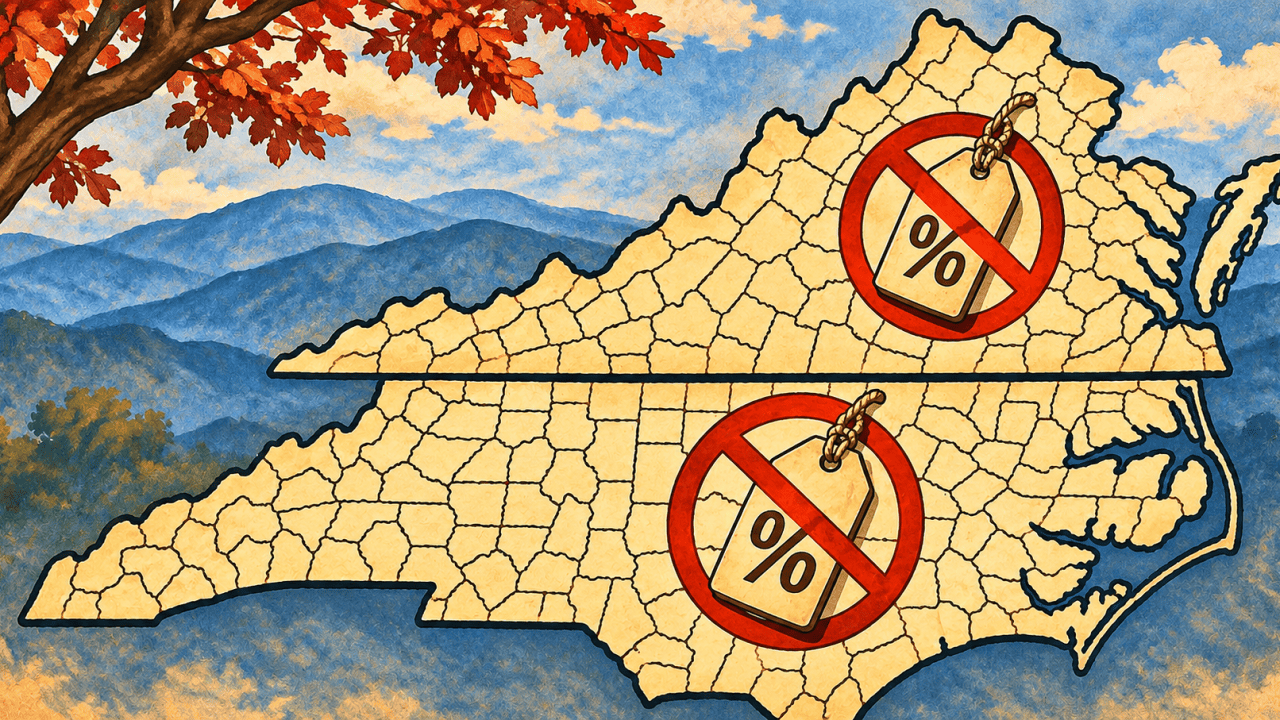
 Widespread of local tax hikes in North Carolina and Virginia
The blue tsunami brought about by the 2026 midterm elections will have Democrats assuming control not only of Congress in 2027, but a number of red state legislative chambers where Democrats have not had a majority in decades. However, while 2026 was a historic wipeout for the GOP, there is plenty of evidence that it was not a rebuke of conservative policy, at least not conservative tax policy.
In a post-election column in Real Clear Policy, John Hood, board member of the John Locke Foundation, a North Carolina-based think tank, explains how the same electorate that voted for historic gains for Democrats also “opted for fiscal conservatism on a host of ballot initiatives and constitutional amendments”:
“In the most prominent case, California voters simultaneously shrank the already diminutive ranks of GOP officeholders while also appearing (at this writing) to reject a proposed 5% tax on the assets of billionaires domiciled in the state. Assured that the wealth grab would only happen this once, and would affect only a small coterie of the super rich, voters properly disbelieved such disingenuous assurances. While making some temporary tax hikes permanent, Californians also voted to forbid new taxes on assets as well as the retroactive enactment of new taxes except under extreme conditions.
“In Iowa, which just flipped a U.S. Senate seat and governorship from blue to red, voters simultaneously voted to require a two-thirds majority of state lawmakers to raise income taxes. In Arizona, the Democratic governor skated to reelection even as voters opted to cap sales taxes on groceries and require a referendum for any new taxes on prepared food and drink. In my home state of North Carolina, Democrats had their best election cycle in decades, flipping two dozen seats in the state house and winning a U.S. Senate seat for the first time in nearly two decades. Still, 62% of North Carolina voters approved a constitutional amendment to cap the income-tax rate at 3.5%.”
As Hood points out, the outcomes of these tax-related ballot measures provide powerful indicators that “Americans haven’t abandoned their inherent fiscal conservatism.” Further evidence of that can be found in the results of local tax proposals that appeared on the midterm ballot.
In North Carolina, voters in eleven counties were asked to vote on proposals to raise the local sales tax rate. In the same election in which North Carolina voters gave Democrats a near supermajority in the North Carolina House, voters also rejected eight of those eleven local sales tax hikes.
Meanwhile, in neighboring Virginia, local sales tax hikes fared event worse. Local sales tax hikes were on the ballot this November in 47 counties across Virginia and 33 of them were defeated.
“Many Republican state legislators were punished by voters’ rebuke of the tariffs and other decisions out of Washington that have driven up the cost of living,” said Grover Norquist, president of Americans for Tax Reform. “However, I was delighted to see Americans continue to vote in favor of lower taxes and less spending when it was put directly to them in the form of state and local ballot measures.”