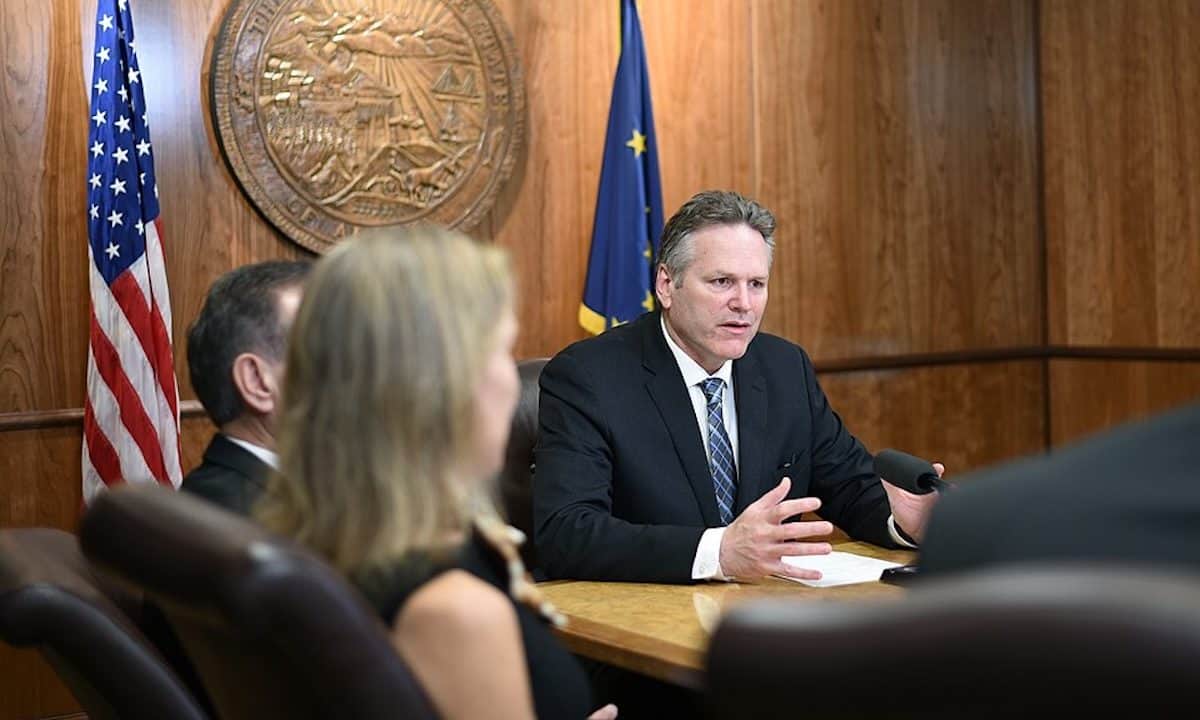
Governor Mike Dunleavy, a Taxpayer Protection Pledge signer, once again delivered on his promise to defend Alaska taxpayers by vetoing SB 24, a proposal to impose one of the nation’s highest tax burdens on smokers looking to quit.
Thanks to high shipping costs to remote Alaska, former smokers already pay a significant premium for the products that many of them rely on to stop smoking combustible cigarettes. The vetoed bill would have created a new 75% tax on these lifesaving products, encouraging smokers in Alaska to stick with the cancer sticks instead of switching to (now much more expensive) vapor products.
Governor Dunleavy already vetoed a similar version of the vape tax that the legislature passed in 2022. His veto of this year’s attempt, which also imposed a much higher rate than its predecessor, reaffirms the Governor’s long held commitment to taxpayers that he will not raise their taxes.
High taxes on vaping devices impose a disproportionate burden on the poor, since ¾ of smokers are low income. They also tend to increase cigarette smoking rates among both youth and adult populations by putting alternative products out of reach. Meanwhile, revenue for honest small business declines as customers are driven to the black market to get the products they want – a market in which underage Alaskans have a much better chance of getting their hands on nicotine products of any kind, as illegal sellers have no incentive to verify age.
Meanwhile, the science is clear that vapor products are measurably safer than combustible cigarettes, which are responsible for the overwhelming majority of smoking-related disease and death. But tax hikes on vaping products prevents tens of thousands of additional adult smokers from quitting smoking – a perverse incentive for already vulnerable populations.
ATR commends Governor Dunleavy for once again vetoing an unnecessary new tax on Alaskans and ensuring that former smokers in Alaska can continue using the safer, more affordable products they rely on without new barriers from the state.
